
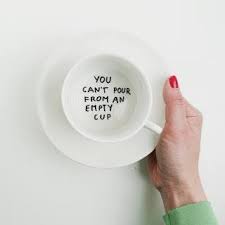
You Can’t Pour From An Empty Cup
Self-care is essential if you want to avoid burnout. In our fast-paced, ever-demanding world, it’s easy to put everyone else’s needs ahead of your own, including in your business. Between work deadlines, family obligations, and community commitments, you may find yourself constantly giving your energy to others without taking time to recharge yourself.
The truth is, you can’t pour from an empty cup. Taking care of yourself isn’t selfish; it’s necessary for both your personal well-being and long-term success.
What Does “Pouring from an Empty Cup” Mean?
The phrase is a metaphor that illustrates the importance of self-care. Imagine your energy, time, and emotional capacity as liquid in a cup. Each time you help someone, tackle a task, or handle a problem, you pour a little out. Without refilling your cup, you’ll eventually run dry, leaving you exhausted, irritable, and unable to help anyone—including yourself. When you own a small business, this can be even more of a problem since you deal with everything all the time.
Why Self-Care is Non-Negotiable
Self-care is more than just a trend; it’s a vital practice for maintaining physical, mental, and emotional well-being. In a world that often glorifies busyness and productivity, prioritizing self-care is an act of self-preservation. It helps us recharge, reduces stress, and enhances our ability to show up fully for ourselves and others. Ignoring self-care can lead to burnout, decreased effectiveness, and even health problems. By making self-care non-negotiable, we not only improve our quality of life but also set a powerful example for others to value their well-being.
Common Barriers to Self-Care
Many people struggle to make self-care a priority. Here are some common barriers and how to overcome them:
- Time: People may be too busy to practice self-care.
- Guilt: People may feel guilty about not practicing self-care.
- Money: People may not have the financial means to practice self-care.
- Energy: People may not have the energy to practice self-care.
- Feeling stuck: People may feel stuck and unable to practice self-care.
- Lack of awareness: People may not be aware of mental health issues or how to recognize the signs and symptoms.
- Unrealistic expectations: People may have unrealistic expectations about how self-care should look or turn out.
- Stigma: People may be afraid to seek therapy due to stigma or misconceptions.
- Self-neglect: People may be experiencing self-neglect due to a brain injury, dementia, mental disorder, obsessive compulsive disorder, hoarding disorder, or physical illness.
Self-Care Activity Ideas to Refill Your Cup
These self care tips can help you slow down, recharge your mind and body, and create healthier habits that support your overall health and wellbeing and daily productivity.
- Set Boundaries: Learn to say no to tasks or commitments that overwhelm you. Protecting your time and energy is an act of self-respect.
- Prioritize Rest: Sleep is non-negotiable. Aim for 7-9 hours per night and consider short naps if you’re feeling depleted.
- Move Your Body: Exercise releases endorphins and reduces stress. Find an activity you enjoy, whether it’s yoga, dancing, or hiking.
- Nourish Your Body: Fuel yourself with healthy, nutrient-dense foods and stay hydrated. Avoid skipping meals, even on busy days.
- Create Rituals: Establish daily or weekly routines that bring you joy, like journaling, reading, or sipping tea in silence.
- Seek Support: Share your feelings with trusted friends, family, or a therapist. Sometimes, just talking can lighten the load.
- Unplug: Take breaks from screens and social media to reconnect with yourself and the present moment.
The Ripple Effect of Self-Care
When you take care of yourself, you’re not just benefiting yourself—you’re impacting everyone around you; and possibly the well-being of your business. A well-rested, emotionally balanced person can contribute more effectively to their family, workplace, and community. And if you can’t do it all alone, you can hire an offsite executive assistant to help out.
Life is a marathon, not a sprint. If you constantly deplete your resources without replenishing them, you’ll eventually burn out. This is something I learned during 2026 and, since then, I have tried to make sure I pay attention too. In fact, I did a newsletter post about it; which is where this blog post came from. By embracing self care, you’re not just surviving—you’re thriving. So, take a deep breath, carve out time for yourself, and remember: you can’t pour from an empty cup.
